
Sony’s making some bold claims with this $500 wireless speaker, promising “360 Reality Audio” that’ll transform your living room into a concert hall. I’ve spent three weeks with the SRS-RA5000, and yeah, there’s something genuinely interesting happening here, but it’s not quite the revolution Sony’s marketing team wants you to believe.
Unboxing & Build
The RA5000 looks like a cylindrical vase that got lost on its way to a modern art museum. At 9 inches tall and weighing just over 5 pounds, it’s got this matte black finish that screams “I cost money” without being obnoxious about it. The build quality is solid—this thing feels dense and well-constructed, none of that hollow plastic nonsense you get from cheaper 360 speakers.
The design is purposeful, though. Inside this cylinder, Sony’s packed seven speakers: three up-firing drivers on top, three mid-range drivers around the body, and a single woofer at the bottom. There’s also a diffuser on top that’s supposed to scatter sound around your room. It’s an impressive hardware setup, even if it makes the speaker look like a fancy humidifier.
The fabric mesh wrapping the body feels premium enough, and there’s a status LED on the front that’s thankfully subtle. My only gripe? This thing collects dust like it’s getting paid to do it. Keep a microfiber cloth handy.
Features & Controls
Here’s where Sony either nailed it or overthought it, depending on your perspective. The RA5000 supports pretty much every wireless protocol that matters: Wi-Fi, Bluetooth, Chromecast, Spotify Connect, and AirPlay 2. Setup through the Sony Music Center app is straightforward, though the app itself feels like it was designed by three different teams who never talked to each other.
The “Immersive Audio Enhancement” feature is Sony’s secret sauce, it uses DSP to upsample regular stereo tracks into something approximating 360 audio. Does it work? Sort of. I’ll get into that in the sound section, but spoiler: it’s hit or miss.
There’s also auto sound calibration that uses the built-in mic to analyze your room. I ran it in my 15×18 living room, and it definitely made a difference, the speaker adjusted its output based on wall proximity and room acoustics. Nice touch, though you’ll want to run this calibration with zero background noise or it freaks out.
Physical controls are minimal: just volume buttons and a power button on the back. Everything else happens through the app or voice control (Alexa and Google Assistant both work fine).
Sound Quality
Let’s get real: this speaker sounds good, but the 360 thing is more of a parlor trick than a genuine surround experience.
The Good Stuff
Compare Similar Products
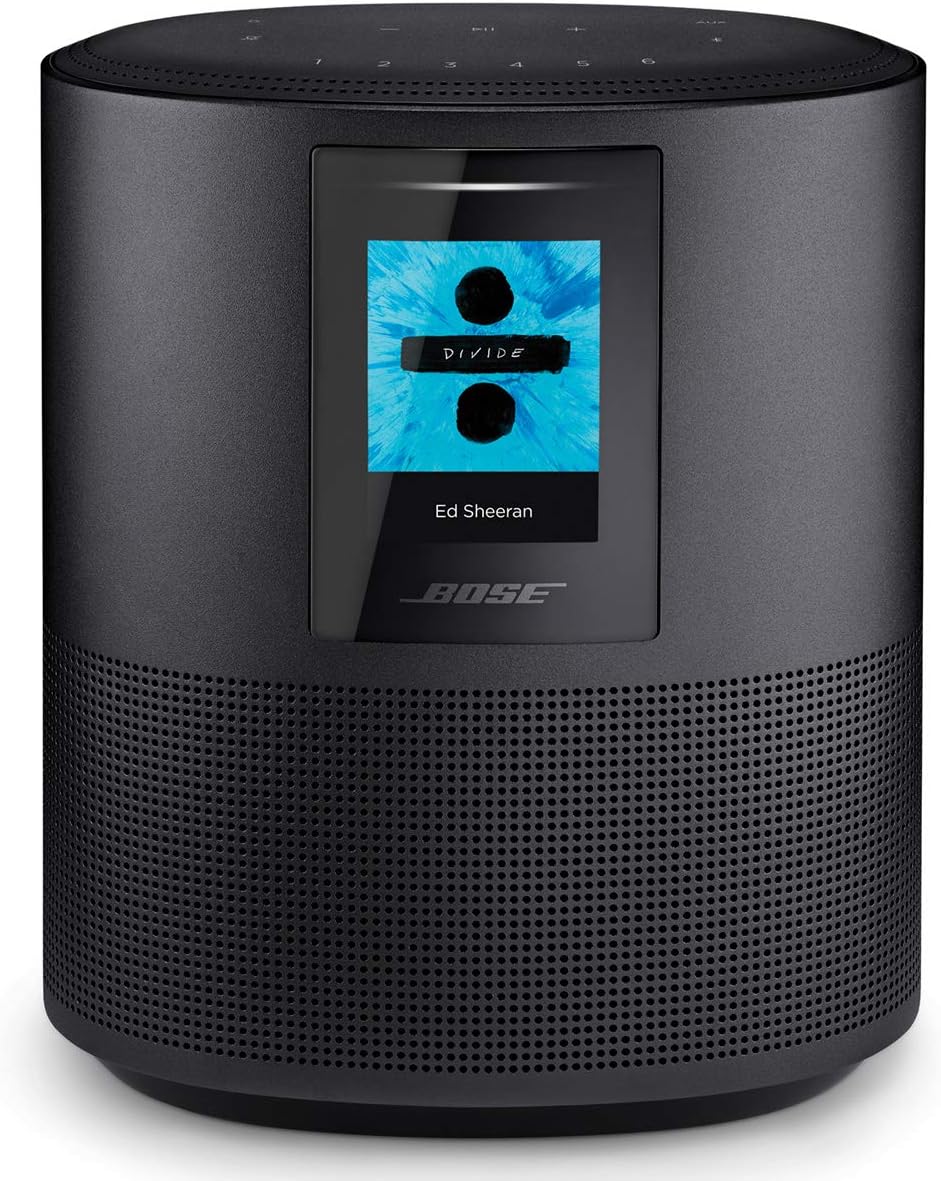


When you feed the RA5000 actual 360 Reality Audio tracks (you’ll need Tidal HiFi or certain tracks on Amazon Music HD), something magical happens. Listening to The Weeknd’s “Blinding Lights” in 360, you get this legitimate sense of space that’s genuinely impressive for a single speaker. The synths swirl around you, the bass hits from below, and vocals sit eerily center. It’s the closest I’ve gotten to that “speakers disappearing” sensation from a standalone unit.
With regular stereo content, the speaker’s “enhancement” processing is a mixed bag. Jazz and acoustic stuff benefits, Brad Mehldau’s “Sky Turning Grey” gets this pleasant roominess that actually works. But throw on something dense like Kendrick Lamar’s “HUMBLE.” and the processing creates this weird artificial spaciousness that just sounds… off. Like you’re listening in a tiled bathroom.
Bass Response
The low-end is surprisingly capable for a speaker this size. That single woofer works harder than it has any right to, delivering punch that genuinely impressed me. The bass line in Daft Punk’s “Giorgio by Moroder” has real weight and texture, not just that one-note thump you get from Bluetooth speakers. It extends down to maybe 50Hz with authority—not subwoofer territory, but way better than competitors like the HomePod or Sonos One.
Mids and Treble
Midrange is where Sony speakers usually shine, and the RA5000 doesn’t disappoint. Vocals on Phoebe Bridgers’ “Kyoto” sound natural and intimate, with none of that hollowed-out character budget speakers suffer from. The three mid-drivers create a coherent soundstage that’s wider than you’d expect.
Treble is detailed without being harsh. Hi-hats and cymbals on Bill Evans’ “Waltz for Debby” have shimmer and decay, though they occasionally get a bit splashy at high volumes. The upfiring drivers create some interesting height effects with the right material, but it’s subtle, this isn’t Dolby Atmos.
Soundstage and Imaging
Here’s the thing: yes, sound comes from all directions. No, it doesn’t sound like you’re surrounded by discrete speakers. The imaging is actually worse than a good stereo pair because everything’s so diffuse. With Radiohead’s “Weird Fishes,” which has beautifully layered guitars, I found myself missing the precise left-right separation I get from my bookshelf speakers. The 360 effect trades precision for spaciousness, and that’s not always a good trade.
The sweet spot is also weird—because sound radiates omnidirectionally, there’s no bad seat in the room, but there’s also no perfect seat. It’s impressively consistent whether you’re directly in front or off to the side, which is great for parties, less great for critical listening.
Who It’s For
This speaker makes sense if you’re deep in the Sony/streaming ecosystem and you value room-filling sound over precision. It’s genuinely excellent for background music during dinner parties or casual listening while moving around your space. The 360 gimmick actually works for that use case.
But if you’re a critical listener who wants the best possible stereo imaging and detail? Nah. Take that $500 and buy a pair of powered bookshelf speakers instead.
Verdict
At $500, the SRS-RA5000 is expensive for what amounts to a really good party speaker with some processing tricks. It sounds legitimately impressive when you’re playing native 360 content (all three albums that exist), and the build quality justifies the price tag. But the Immersive Audio Enhancement on regular tracks is too inconsistent to be a selling point.
If you can grab it on sale for $350-400? It becomes way more compelling. At full retail, you’re paying a premium for Sony’s 360 ecosystem, and you’d better be sure that’s what you want.
Final Score: 7/10 – Great execution on a concept most people don’t actually need.
Tested with: iPhone 14 Pro (AirPlay 2), Tidal HiFi, Amazon Music HD, Sony Music Center app v8.4.1
Sony SRS-RA5000 Wireless Speaker
Click below to check the latest price on Amazon
Check Price on Amazon →As an Amazon Associate I earn from qualifying purchases.


